
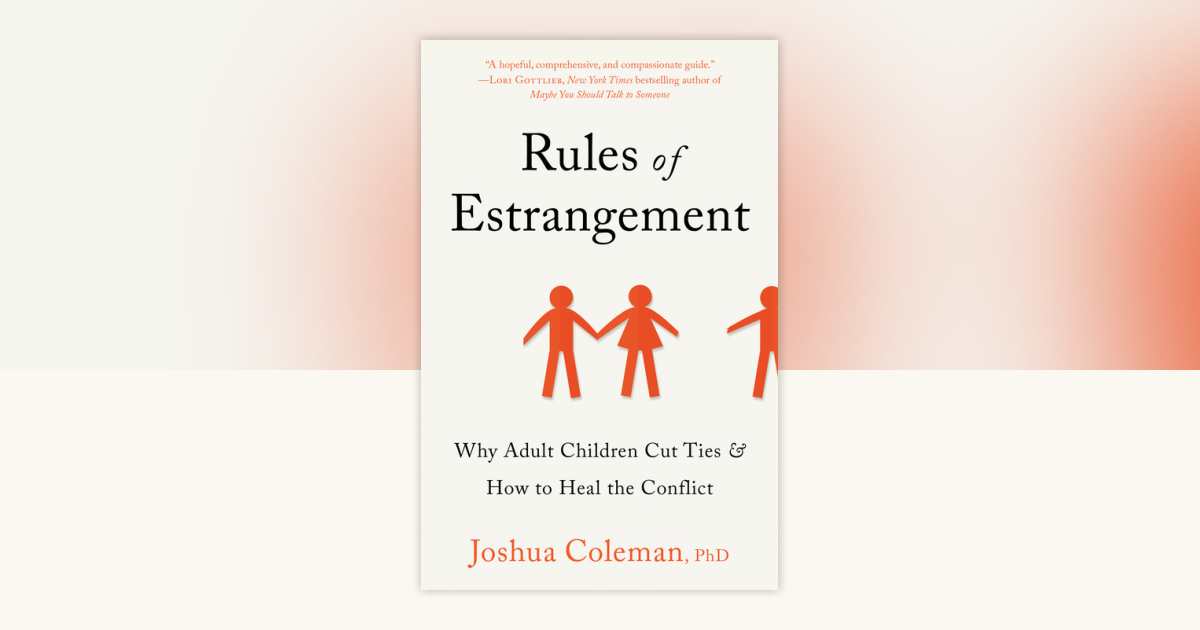
Rules of Estrangement:
Why Adult Children Cut Ties and How to Heal the Conflict by Joshua Coleman
Shop on Amazon →Rules of Estrangement maps why adult children cut ties and offers a compassionate, practical roadmap for repair. Below is a concise book summary followed by key takeaways tailored for culturally informed counselling practice.
Book summary
Joshua Coleman examines the rising phenomenon of family estrangement, most often between parents and adult children, and frames it as a complex mix of developmental needs, boundary-setting, unresolved trauma, shifting cultural norms, and communication breakdowns. He combines clinical experience, case examples, and practical strategies to help parents understand possible causes, take responsibility where appropriate, and pursue repair without coercion.
Coleman identifies multiple pathways into estrangement (e.g., values conflicts, parenting styles, divorce, therapy fallout, and adult children asserting autonomy) and stresses that there is rarely a single “villain”; instead, estrangement often reflects layered relational patterns and unmet needs on both sides. He offers concrete steps for parents who want to reconnect, self-reflection, accountability, respectful outreach, and realistic expectations, while also acknowledging that reconciliation is not always possible or safe.
How Coleman frames healing
The book emphasizes empathy, curiosity, and behavioral change over denial or pleading. Coleman encourages parents to examine their own behaviors, accept the adult child’s autonomy, and use carefully calibrated contact strategies (letters, mediated conversations, or long pauses) rather than repeated demands for contact. He also highlights the emotional work parents must do to tolerate ambiguity and grief while staying open to repair.
Key takeaways for culturally informed counselling
- Assess cultural context and intergenerational norms. Explore how cultural values about filial duty, honor, shame, and family privacy shape expectations and responses to estrangement. Avoid assuming Western individualist norms apply to every family.
- Center power, identity, and migration histories. Ask about immigration, racialization, language, and acculturation stressors that may create cross‑generational value clashes or trauma responses. These factors can change the meaning of “cutting ties” in different communities.
- Use culturally sensitive accountability work. Support parents to take responsibility in ways that resonate with their cultural frame. This might mean public apology rituals, private reparative acts, or community-mediated reconciliation rather than prescribing a single model of repair.
- Adapt communication strategies to cultural norms. Tailor outreach methods (direct conversation, mediated family meetings, written letters, or elders’ involvement) to what is culturally acceptable and safe for both parties.
- Balance safety and reconciliation. Screen for abuse, coercion, or ongoing harm; in some cultural contexts, silence may be protective. Counselors must prioritize safety while validating grief and loss.
- Support identity and boundary work. Help clients reframe boundaries as relational skills rather than rejection. Teach culturally congruent ways to assert limits while maintaining respect for elders or family roles.
- Work with community resources. When appropriate, involve faith leaders, cultural brokers, or community elders who can legitimize repair efforts and provide culturally meaningful mediation.
- Normalize ambiguous loss and complicated grief. Provide psychoeducation about ambiguous loss and offer grief-focused interventions that respect cultural mourning practices.
Practical clinician actions
- Start with cultural genogram and migration/acculturation history.
- Use narrative and restorative approaches that allow both parties to tell their story in culturally meaningful ways.
- Co-create realistic goals (contact frequency, mediated conversation, or acceptance) and safety plans.
Sources: Coleman’s book overview and chapter summaries; practitioner reviews and clinical write-ups informed the counselling applications above