
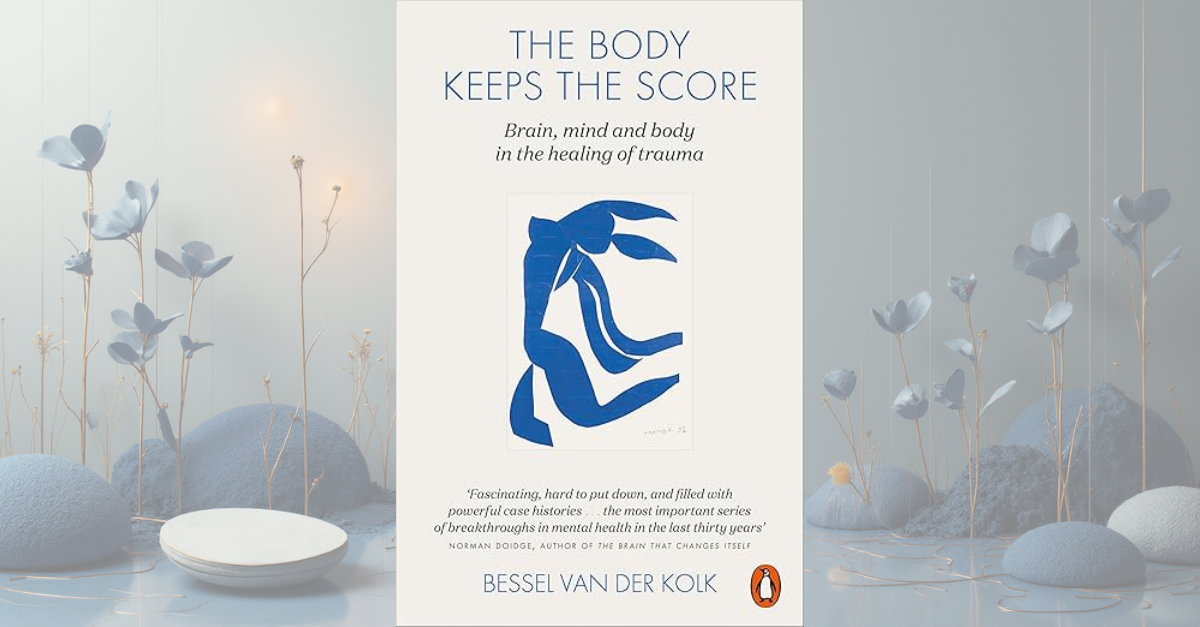
The Body Keeps the Score
Mind, Brain and Body in the Transformation of Trauma by Bessel Van Der Kolk
Shop on Amazon →Trauma is not just a story we tell ourselves. It’s an imprint that lives in the body, reshaping the brain, emotions, and relationships. In his groundbreaking book The Body Keeps the Score: Mind, Brain and Body in the Transformation of Trauma, psychiatrist Bessel van der Kolk explores how trauma rewires us and how healing requires more than words.
For counsellors, especially those committed to culturally informed practice, this book offers profound insights. It reminds us that trauma is universal, but healing is deeply cultural.
What the Book Teaches Us
- Trauma lives in the body: Even when memories fade, the body “keeps the score,” manifesting trauma through chronic pain, hypervigilance, or emotional dysregulation.
- The brain rewired: Trauma alters neural pathways, disrupting memory, perception, and emotional regulation.
- Children carry lifelong imprints: Early neglect or abuse shapes development, often leading to long-term relational and emotional struggles.
- Healing requires more than talk therapy: Approaches like EMDR, yoga, neurofeedback, and creative expression reconnect the mind and body.
- Safety and agency are essential: Recovery begins when individuals feel safe and empowered to reclaim their lives.
Key Takeaways for Culturally Informed Counselling
1. Trauma is Universal, Healing is Cultural
While trauma affects all humans, cultures shape how it’s understood and healed. Counsellors must respect cultural narratives of suffering and resilience, whether rooted in spirituality, community, or traditional practices.
2. Body-Based Healing Across Cultures
Van der Kolk highlights yoga and mindfulness, but culturally informed counselling adapts these to traditions like Indigenous ceremonies, dance, or collective rituals.
3. Storytelling as Medicine
Trauma often resists words. Many cultures use storytelling, metaphor, and collective memory as healing tools. Counsellors can integrate these narrative forms rather than relying solely on Western talk therapy.
4. Community Connection
Trauma isolates; healing restores connection. In collectivist cultures, community involvement, family support, and group rituals may be more effective than individual therapy.
5. Safety and Trust
Safety means more than a calm therapy room. It requires acknowledging systemic oppression, historical trauma, and validating cultural identity.
6. Blending Modern and Traditional Approaches
Evidence-based therapies like EMDR or neurofeedback are powerful, but they should be blended with culturally meaningful practices to avoid imposing Western frameworks.
Practical Applications
| Principle | Counselling Application |
|---|---|
| Body Remembers Trauma | Use culturally relevant movement, breathwork, or ritual practices. |
| Trauma Alters Relationships | Explore family and community healing, not just individual therapy. |
| Narrative Healing | Encourage cultural storytelling, art, or spiritual practices. |
| Safety First | Address systemic oppression and validate cultural identity. |
| Holistic Recovery | Combine evidence-based therapies with traditional healing methods. |
The Body Keeps the Score is a reminder that trauma is embodied, relational, and deeply personal. For culturally informed counselling, the challenge is to honor diverse pathways to healing while integrating evidence-based trauma therapies. When counsellors blend science with cultural wisdom, they create spaces where clients feel seen, safe, and empowered to transform their pain into resilience.